
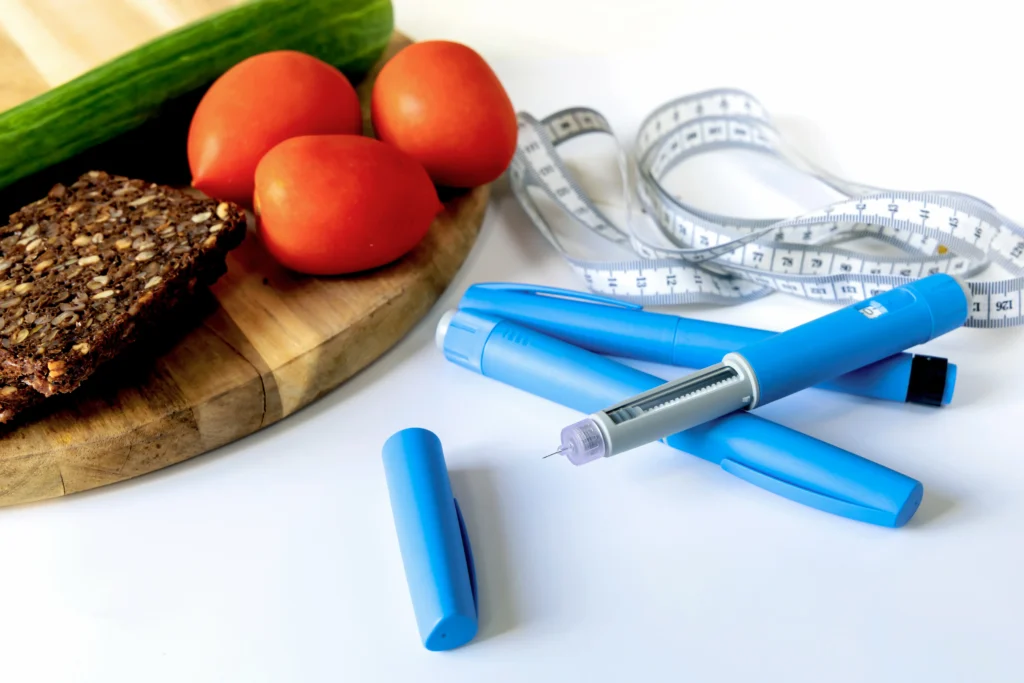
Let’s be real for a second… weight loss feels like one of those topics everyone has an opinion about. And lately, Ozempic has basically become the celebrity of the weight loss world. It’s everywhere: TikTok, group chats, even random conversations at the grocery store. People are asking, “Should I try Ozempic?” like it’s the new multivitamin.
But here’s the thing: weight loss isn’t one-size-fits-all. And honestly? It shouldn’t be.
At Greenleaf Medical Associates, we’ve been having more and more patients come in asking about Ozempic, medical weight loss programs, and what actually makes sense for their health. So let’s talk about it like normal humans, not like a medical textbook.
First, What Even Is Ozempic?
If you’re wondering what the hype is about, this medication was originally made to help people with type 2 diabetes manage blood sugar. Somewhere along the way, doctors noticed something interesting: many patients were also losing weight.
And not like “oh, I lost 3 pounds.” More like… significant weight loss.
That’s why it’s now being discussed as an option for people struggling with obesity or weight-related health conditions.
But (and this is a big but)… It’s not magic.
It works by helping you feel fuller, slowing digestion, and reducing appetite. Which sounds amazing, until you realize you still have to live your life, eat food, go to birthdays, deal with stress, and maybe resist Taco Tuesday.
Medical Weight Loss: The Less “Trendy” Option That Actually Works Long-Term
Medical weight loss doesn’t have the flashy buzz of social media, but it’s kind of like the steady, reliable friend who actually shows up when you need them.
A medical weight loss program is supervised by healthcare professionals and focuses on the whole picture:
- Your metabolism
- Hormones
- Lifestyle
- Nutrition
- Mental health
- Long-term habits
At Greenleaf Medical Associates, medical weight loss isn’t just “eat less, move more.” Because if it were that easy… none of us would be here reading this blog.
It’s about figuring out why weight loss has been so hard in the first place.
So… Is Ozempic Better Than Medical Weight Loss?
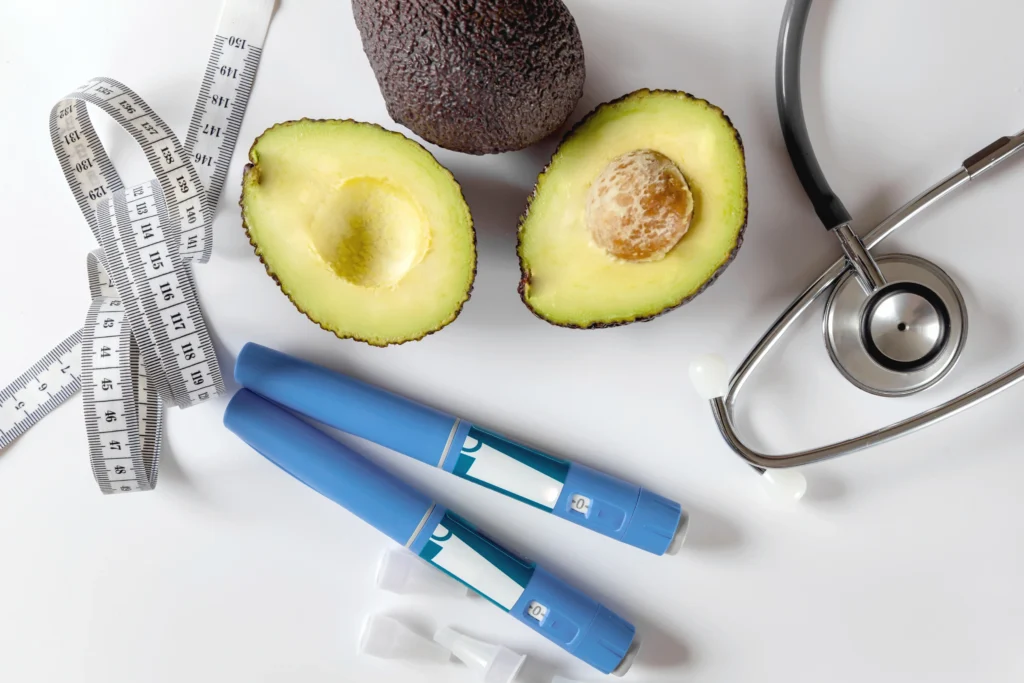
Honestly? That’s the wrong question.
The better question is:
What’s better for YOU?
Some people do really well on Ozempic. Others don’t tolerate it. Some lose weight and feel great. Others stop taking it and gain the weight right back (which is frustrating, to say the least).
Medical weight loss tends to be slower, but it builds a foundation. Think of it like:
- Ozempic = a powerful tool
- Medical weight loss = the full toolbox
And most people need more than one tool.
Real Talk: Ozempic Isn’t a Shortcut, It’s Support
We’ve seen patients come in feeling embarrassed, like taking Ozempic means they “cheated.”
Let us be clear: it’s not cheating.
Would you tell someone with high blood pressure they cheated because they took medication?
Of course not.
Weight is tied to biology, hormones, stress, sleep, genetics… It’s complicated. Ozempic can be a helpful support for the right patient.
But it’s not something you just grab off the shelf and hope for the best.
The Not-So-Fun Side of Ozempic
Okay, here’s where we keep it honest.
Ozempic can come with side effects, like:
- Nausea
- Constipation
- Diarrhea
- Fatigue
- Feeling “blah” around food
Some people joke that they lose weight because they feel too queasy to eat. (Not exactly the dream.)
And yes, some patients stop Ozempic because the side effects are just too much.
That’s why medical supervision matters. A lot.
What Medical Weight Loss Offers That Ozempic Alone Doesn’t
Here’s the truth: Ozempic doesn’t teach you how to eat.
It doesn’t help you manage emotional eating.
It doesn’t build muscle, fix sleep habits, or reduce stress.
Medical weight loss programs do.
At Greenleaf Medical Associates, we focus on:
- Sustainable nutrition changes
- Behavior coaching
- Metabolic health
- Safe, realistic goal-setting
- Medication options when appropriate (including Ozempic)
So instead of choosing one or the other, many patients benefit from combining medical weight loss support with Ozempic when it’s medically appropriate.
Who Might Be a Good Candidate for Ozempic?
You might be a good fit for Ozempic if:
- You have obesity or significant weight-related health risks
- You’ve tried lifestyle changes with limited success
- You have insulin resistance or type 2 diabetes
- You want medical support, not guesswork
But if you’re hoping Ozempic will do all the work while life stays the same… that’s unrealistic.
And we’ll tell you that upfront.
Who Might Do Better With Medical Weight Loss Alone?
Medical weight loss might be the better first step if:
- You want a non-medication approach
- You have mild to moderate weight concerns
- You’re focused on long-term habit change
- You want accountability and guidance
Sometimes the best results come from building the foundation first… and then considering medications like Ozempic later.
The Bottom Line: There’s No “Right” Answer, Just the Right Plan
If you’re feeling stuck, overwhelmed, or confused by all the noise around Ozempic, you’re not alone.
Weight loss is personal.
Your health is personal.
And you deserve more than a trend, you deserve a plan that actually fits your life.
At Greenleaf Medical Associates, we’re here to help you figure out what makes sense for your body, your goals, and your long-term health… whether that includes Ozempic, medical weight loss, or a combination of both.
Services We Offer at Greenleaf Medical Associates
We’re proud to provide a wide range of care for our patients, including:
- Primary Care
- Preventive Care
- Medical Weight Loss Programs
- Botox Treatments
- Immigration Physical Exams
Ready to Take the Next Step?
Stop guessing and Googling at midnight. Stop trying random things that don’t stick.
Book an appointment with Greenleaf Medical Associates today. Let’s create a real weight loss plan that works for you.
Your future self will thank you. And honestly? You deserve the support.